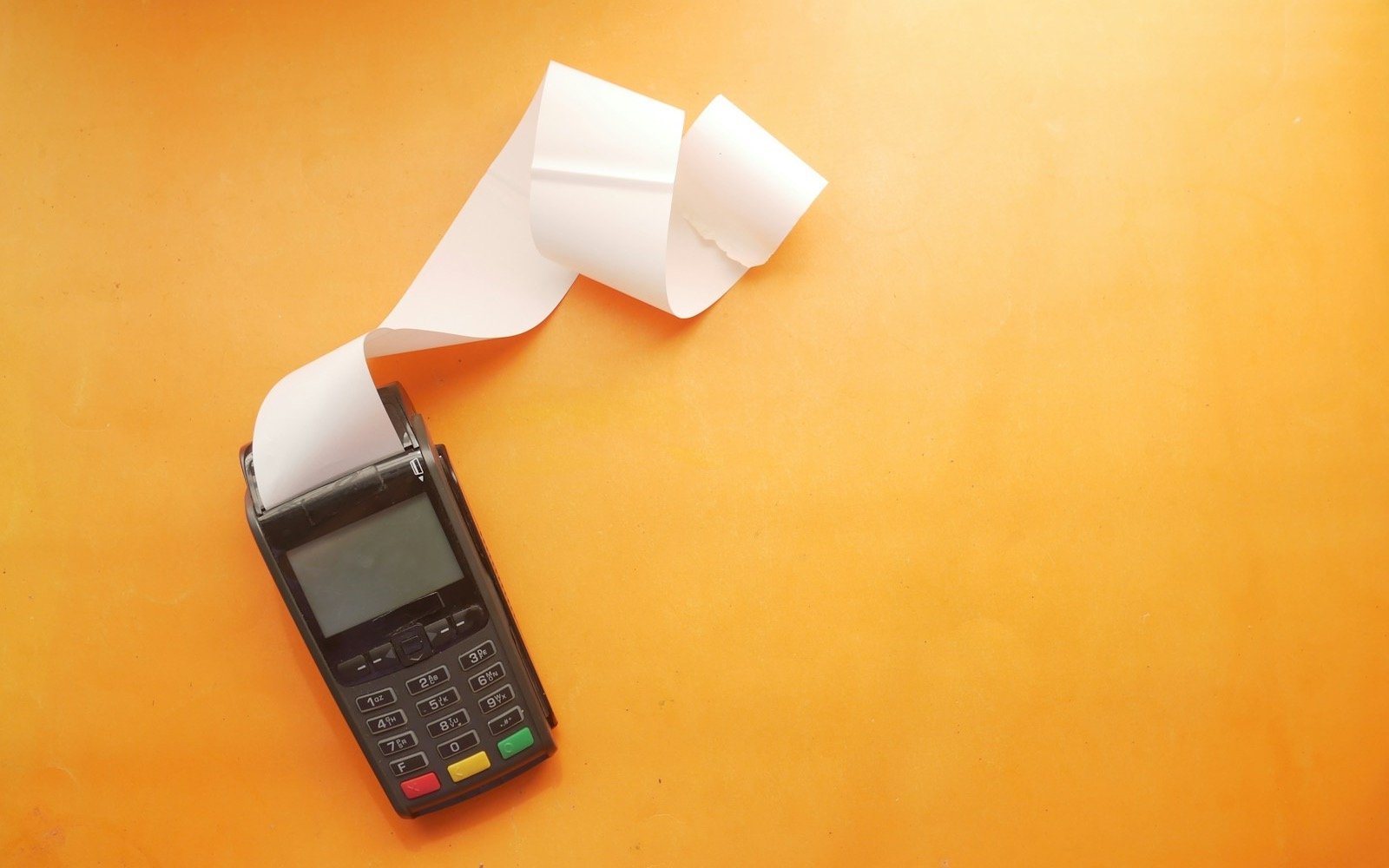
An NFC plate is a passive chip inside a rigid surface that a phone reads when held within four centimeters. The NFC Forum defines the standard: it operates at 13.56 MHz and carries no battery, because it takes its power from the field the phone itself generates. That is the whole technology. What matters is not the chip, it is what you do with the second of attention your customer gives you.
What an NFC plate actually does
Inside the chip is a stored web address. When the phone gets close, the operating system reads it and shows a prompt to open it. There is no app to install and no account to create on the customer's side. The four uses that really pay for themselves in a Mexican business are:
- Asking for reviews: the plate opens your Google listing's review form directly, with no searching for the business and no typing.
- Menu or catalog: a plate on each table or display opens the current menu, with no reprinting every time a price changes.
- Direct contact: it opens WhatsApp with a prewritten message to the business number.
- Business card: a pocket piece that passes your details to the other person's phone without swapping paper.
Reviews are the case that moves measurable numbers the most, because it removes the three steps where people drop off: opening Google, finding the right business and reaching the rating button.
How an NFC plate works, step by step
An NFC plate works like this: the phone reads a battery-free chip from within four centimeters and opens the programmed action. In detail:
- The customer brings their phone close to the plate, and the phone's field powers up the chip.
- The chip hands over the instruction it has stored, almost always a web address.
- The phone shows a prompt and, when tapped, opens the page stored on the plate.
Each plate stores a single action: open a page (Google review, menu, catalog or form), start a WhatsApp chat with a prewritten message, or save a contact. If you need several options, point it to a page of your own with buttons. That is also why it makes sense to print a QR code on the same plate: it covers phones with NFC switched off without anyone having to ask.
Plate, card, sticker and display are not the same
| Format | Where it is used | Expected lifespan |
|---|---|---|
| Rigid plate with stand | Counter, checkout, front desk | 3 to 5 years indoors |
| Pocket card | Introductions and visits | 2 to 4 years of daily use |
| Adhesive sticker | Tables, display cases, packaging | 6 months to 2 years |
| Standing display | Sales floor, events | 3 to 5 years |
The plate with a stand wins at the counter because it does not peel off, nobody walks away with it by accident and it handles daily cleaning. The sticker is cheaper and is the one that gets replaced most.
What it costs and what you are paying for
It is easy to confuse the price of the chip with the price of the solution. The chip is the cheap part. These are the ranges you see in Mexico today:
| What is included | Price per piece | Who it is for |
|---|---|---|
| Generic plate, unprogrammed | $80 to $250 MXN | Anyone who will set it up themselves |
| Plate with design and programming | $350 to $900 MXN | A business with one or two locations |
| Order of 10 or more pieces | $250 to $550 MXN | Chains and franchises |
| Plate with its own control panel | $900 to $2,000 MXN | Anyone who needs to change the destination and track results |
The gap between the first row and the second is the work: the design that makes someone want to tap their phone, the chip programming and the right link. A badly aimed plate sends people to the business's general profile instead of the review form, and that loses half your audience.
The technical detail that ruins installations
- Metal: sticking a standard chip directly on metal silences it. You need a plate built for metal surfaces, with a layer that separates the antenna.
- Height: the plate is read at the top of the phone on iPhone and at the back on Android. Placing it at chest height keeps people from bending over.
- Direct sun: clear acrylic in a window turns yellow; outdoors, use UV-resistant material.
- Destination: always point to an intermediate link of your own. If you change catalogs tomorrow, you change the destination without touching a single plate.
When it is not worth it
An NFC plate does not fix a deeper problem. If your service leaves customers indifferent, the plate will only make it easier for them to leave a lukewarm rating. It also does not work if nobody on the team points it out: the piece needs someone to say "you can rate us here" at the right moment, which is when the customer has just had a good experience and has not left yet.
Another case: a business with an incomplete Google listing. The plate drives traffic to an empty profile and it goes to waste. Listing first, plate second. The order is explained in how to show up on Google Maps with your business.
How to measure whether it worked
- Count how many new reviews per month you had before installing it and how many after.
- Check the average rating, not just the count: if it drops, access was not the problem.
- If the plate points to an intermediate link, measure how many times it was opened and compare that to published reviews.
- Note where in the store each plate sits. The same piece performs differently at the register than at the table.
A counter business that goes from two to eight reviews a month changes its position on the map within a few months. The full tactics for asking are in how to get more Google reviews.
At Elevalia
We make the plates with your brand design, already programmed to the right destination and with the link under your control so you can change it whenever you want. See the formats and uses in our NFC solutions service.