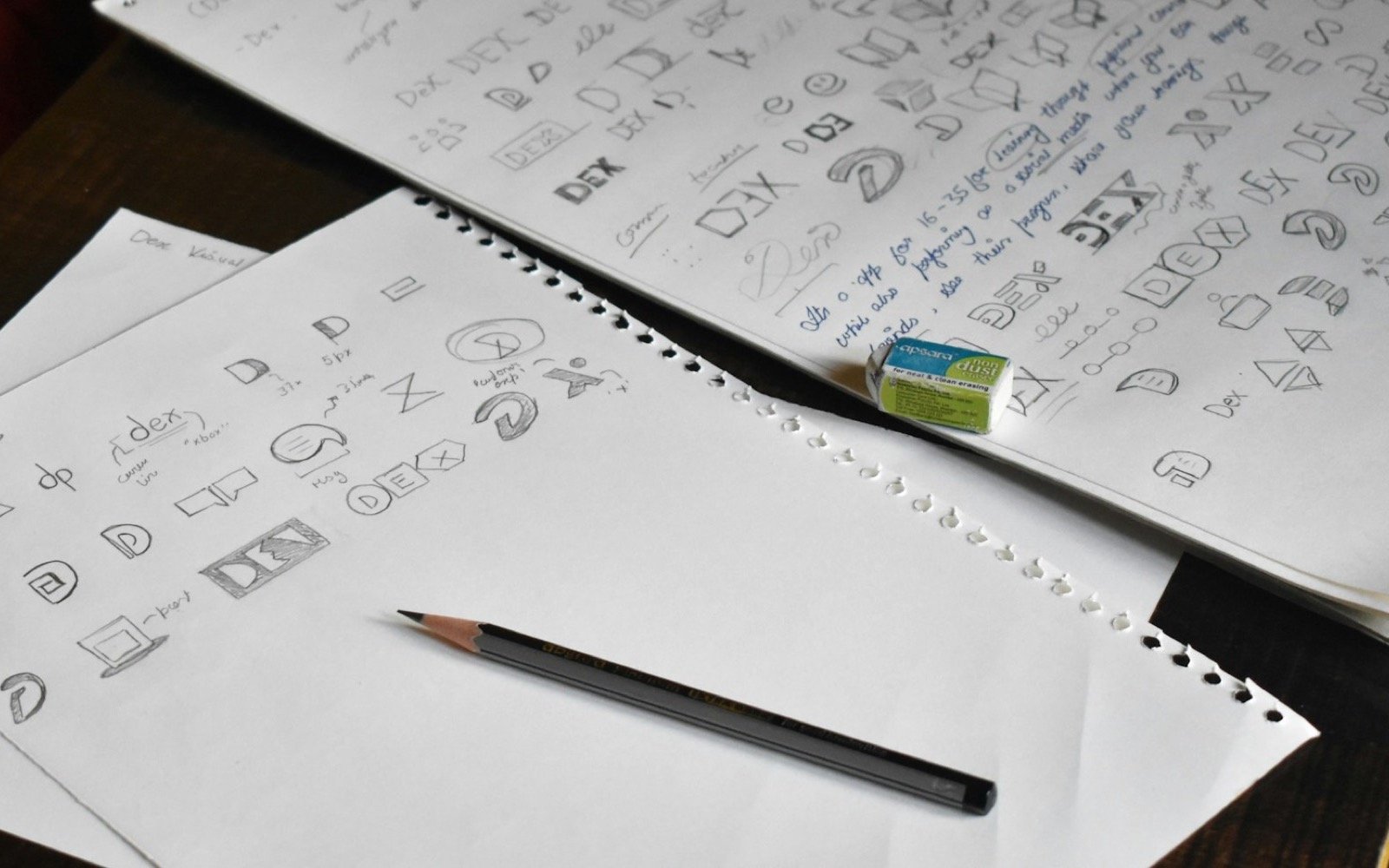
With the IMPI, Mexico's trademark office, there are four traditional types of trademark registration: word marks (words, letters or numbers only), design marks, also called figurative (design only), three-dimensional marks (the shape of a product or container) and combined marks (a mix of the above), according to the IMPI's classification on gob.mx. For a small business, the decision usually comes down to two: register the name alone or register the name and logo together. Here is what each type protects and which one to file first.
The four types, side by side
| Type | What it consists of | What it protects | Example |
|---|---|---|---|
| Word mark (nominativa) | Only words, letters or numbers | The name, in any typeface | A word written with no design |
| Design mark (innominada, figurative) | Only a design, with no letters | The image, not the pronunciation | A symbol with no text |
| Combined (mixta) | Name and design together | The registered combination | A logo with the name inside |
| Three-dimensional | The shape of a product or container | The shape, with no words or drawings | A bottle with its own shape |
Word mark: it protects the name, however you write it
It is made up of verbal elements only. Its strength is that it covers the word in any typeface, color or logo. If you redesign your look tomorrow, the registration still works.
Design mark: the design only
It protects a design with no letters. It stands apart visually, not by how it sounds. It only makes sense if your symbol is recognizable on its own, without the name beside it, and you already use it that way.
Combined mark: name and logo together
This is the registration of the complete logo. It protects the image as a whole, but it is more fragile under change: if you touch up the logo, the registration may stop covering the new version. And it doesn't replace the word mark: it protects the registered combination, not the name separately.
Three-dimensional: shape as a trademark
It protects the shape of a product, package or container, apart from words and drawings. For service businesses it's irrelevant; for a product with distinctive packaging, it can be key. Confirm on the IMPI portal whether this variant is filed through Marca en Línea.
Which one to register first
- If your name is final and your logo may still change: word mark first. It's the foundation and doesn't depend on the design: it covers the name even if you change the logo.
- If both are final and your brand is recognized by its image: a word mark and a combined mark as two separate applications, in that order (two applications, two fee payments).
- If you only have a logo without recognizable text: design mark.
- If your product stands out by its shape: three-dimensional, in addition to the word mark.
The short rule: what won't change and what others can copy is what gets registered first. Putting everything together in a single combined mark looks like a saving, but the registration can stop covering you when you change the design.
What doesn't change by type
- The Nice class: you have to choose it either way. See which Nice class applies to you.
- The prior search: the name must be available. See how to check whether a trademark is already registered.
- The process: if you're doing it yourself, the walkthrough is in online trademark registration step by step.
At Elevalia
With our trademark registration service with the IMPI we review your name and your logo, tell you which type to file first, and follow the file through to the certificate, starting at $7,990 MXN.